Entry #6 - Spaced Out
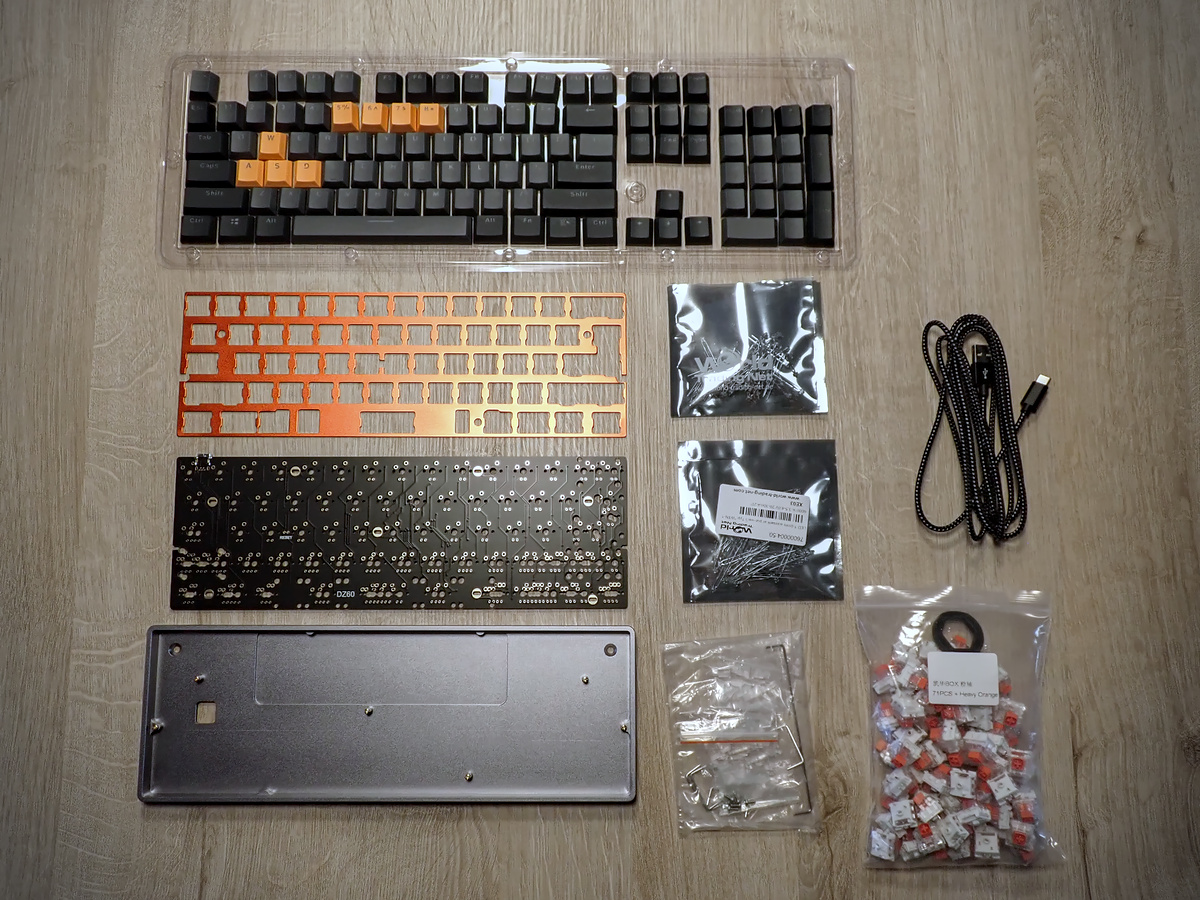
Building mechanical keyboards is a passion that most tech enthusiasts adore, but I gotta say guys, of all my hobbies, this one can be the most tedious. It's a peculiar love-hate relationship. The joy that comes from the customization is one of the most enticing aspects. Enthusiasts can choose from countless switches, keycaps, and layouts, constructing a keyboard that truly reflects their personality from start to finish. However, like most of the hobbies I have, it takes money to get the desired look I want. The satisfaction derived from assembling a unique piece of equipment that feels tailor-made is unmatched but then subconsciously thinking about how a full keycap set costs me a family meal hurts my soul a bit. However, this same freedom can also lead to decision fatigue. With so many various options of material and designs available, choosing the right components can become overwhelming, turning what looks like a straightforward project into a meticulous task.
The assembly process further exemplifies this dichotomy. For many, soldering switches onto a PCB (printed circuit board) is a rewarding experience like playing doctor or being a mini tony stark, providing a tangible connection to the craft. The joy of listening to the satisfying click of a switch as I complete each step is a highlight. Subsequently though, I realize I have to do that repeatedly each time for every key to of course make it function. Conversely, for those less experienced with soldering, the fear of making mistakes can be paralyzing. A botched solder joint can require a frustrating and time-consuming repair, leading to moments of doubt about the entire endeavor. More so when I am on material or budget constraints. I often rely on used markets to get the parts I need to build a board but its
Once assembled, the testing phase offers a mix of excitement and anxiety. The anticipation of plugging in the keyboard for the first time is thrilling, but the fear of discovering that a switch isn’t functioning can lead to disappointment that devolves into frustration as I have to tear it down again to address the issue. This rollercoaster of emotions encapsulates the love-hate nature of building. Additionally, the community surrounding mechanical keyboards can be both a blessing and a curse. Online forums more so often than not provide a wealth of knowledge and inspiration, making it easy to connect with like-minded individuals. However, this same community can sometimes breed comparison, leading to feelings of inadequacy when one’s build doesn’t “measure up” to others in terms of quality, time, difficulty, or complexity.
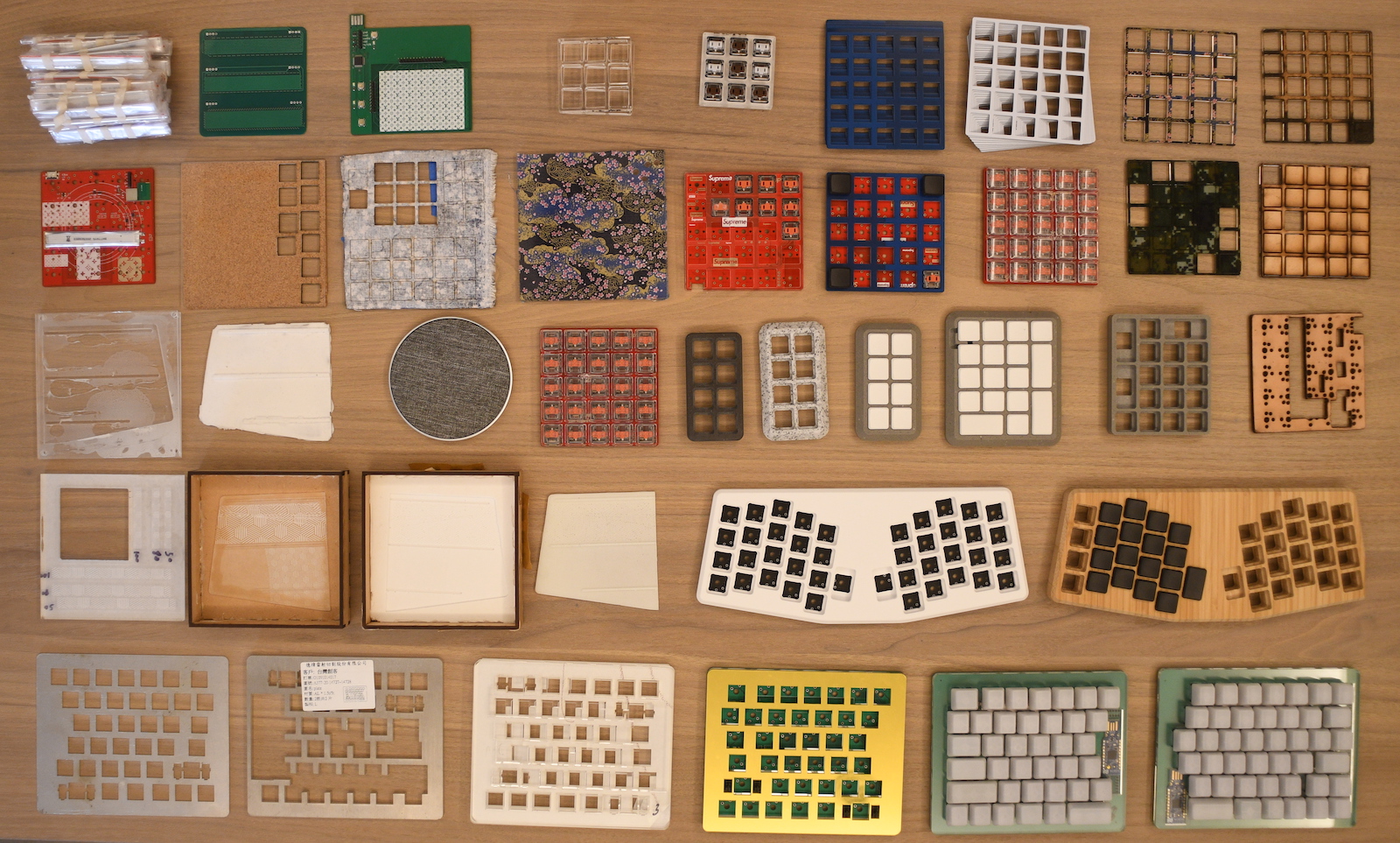
Ultimately, while the process of building mechanical keyboards is filled with both joys and challenges, the experience is incredibly rewarding. The ability to create a unique tool that enhances daily typing experiences makes the effort worthwhile. Yet, the frustrations encountered along the way serve as a reminder that every passion comes with its own set of trials. In the end, it’s this blend of love and hate that makes the journey of keyboard building seems to always balance out.


Your four new entries look great, Paulino. Your writing flows well, and you have personality in your writing. Good visual appeal with images and layout. You are developing your content pretty well and working the concepts of rhetoric to connect to your audience and keep them engaged. Keep it up! I encourage you to pace the writing of your entries to not do so many in one sitting.
ReplyDelete