Entry #7 - Organic?
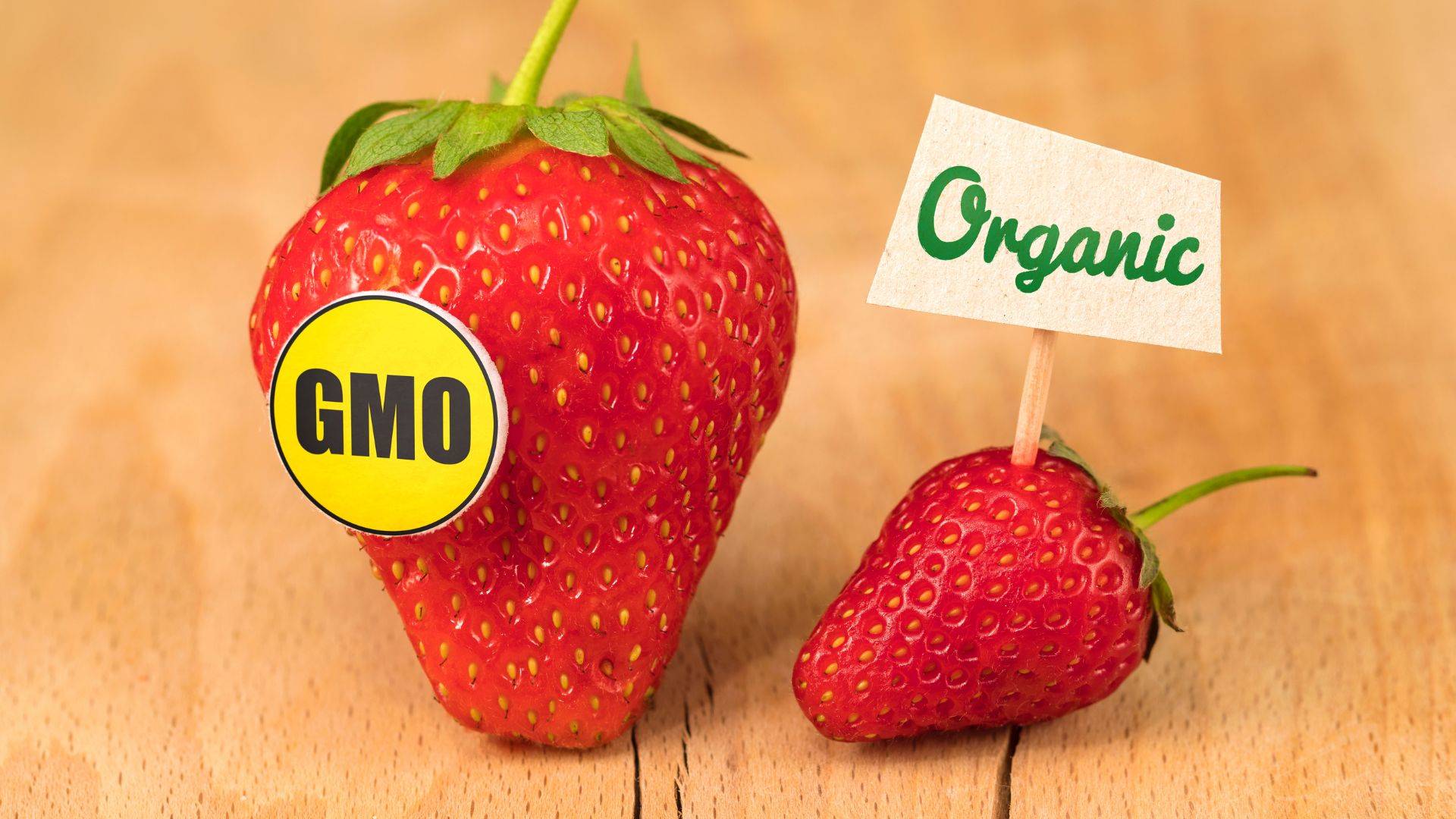
Hey guys, I recently was shown an interesting but relatively sad eventuality of how the food of the twenty first century is produced nearly up to today, but with slight modifications as of lately due to public concern. Fresh a 2012 documentary that implores viewers like foodies to reconsider where their food comes from and how it's produced. Before this movie, I watched a similar one called “Food inc.” It was more heartless and bleak than Fresh as it solely focused on the industrial farming that the public as a whole condones but is abhorred to witness its procedure; even I found it miserable to know but I see why that “necessary evil” exists to begin with. The opening of Fresh starts off a conversation that the public doesn’t often think about: the impact of our food choices on our health, the environment, and animal welfare-the last two being the most important. The film stacks up like tossing a log into the fire every time to make it worse and more unhealthy, really burning in those dark spots of industrial agriculture while offering a hopeful vision of sustainable, ethical alternatives.
The purpose of Fresh is clear—it executes to expose the short sided detrimental practices of the industrial food system (not really embodying the essence of farming) and highlight fairly better sustainable, ethical food cultivation methods than what corporate enterprises exercises. It critiques the corporations that control much of our food supply, emphasizing their focus on profit over the well-being of consumers, animals, and more importantly the planet. But it doesn’t stop at pointing out the problem. The film also showcases innovative farmer activists who are working to create a more honorable and sustainable food system. This tough dual approach—critique and solution—is one of the film’s most powerful leading elements.
The tone of Fresh is a blend of urgency and speculated optimism. It’s unsettling at times, especially when it exposes the grim realities of factory farming. The inhumane conditions in which animals are kept and the environmental destruction caused by industrial agriculturcal prduction can be tough to watch. Yet, the film is not entirely all doom and gloom for societies eating habits as it flashes back to the wholesome farmer, Joel Salatin and other farmers just like him, making the small but important change needed to not recess but preserve the bountiful way of life natural farming does for the world as a whole. Not to mention stores like Good Nature Family Farms, a conglomerate supporting these respectable growers. It provides hope by showcasing the work of people who are transforming the food system, making it clear that positive change is possible.
One of the most impactful aspects of the film is its focus on the inherent personal responsibility we all have in shaping the food system. The documentary doesn’t just justifiably demonize coportaions; it also radiates this empowering effect. By sharing the stories of farmers who practice sustainable agriculture, Fresh shows that supporting local and ethical food sources is not only possible, but it’s also beneficial for our health, our communities, and the planet. Watching the film left me reflecting vastly on my own food choices. It made me realize how disconnected I am from the origins of the food I eat. The film sparked a sense of accountability within me to try to make more conscious choices the next time I buy something, whether that means buying from local farmers or supporting ethical brands. It also made me feel hopeful that if more people become aware of these issues, we can try to reattempt to rework a food system that prioritizes people, animals, and more importantly the environment we all live in over profit.
Fresh is more than just a documentation about our current food cultivation—it’s a needed call to action. It asks us to question the system we’ve come to accept and wishes for us to make better, more ethical choices. The film is important because it not only deeply educates us about the unsavory food industry’s darker side but also provides a hopeful vision of change. It encourages our society to care, to think, and to act in a way that can help transform our food system for the better. I think for me, I'll try to buy food from probably Winco, or Sprouts, or a Trader Joe's-for a month at most.


Comments
Post a Comment